THE DOOR
Open door, half the benefit
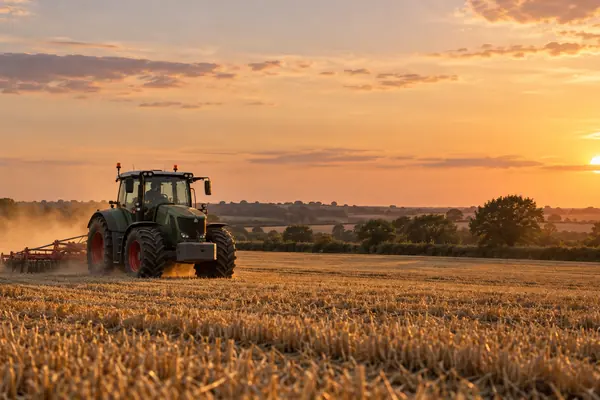
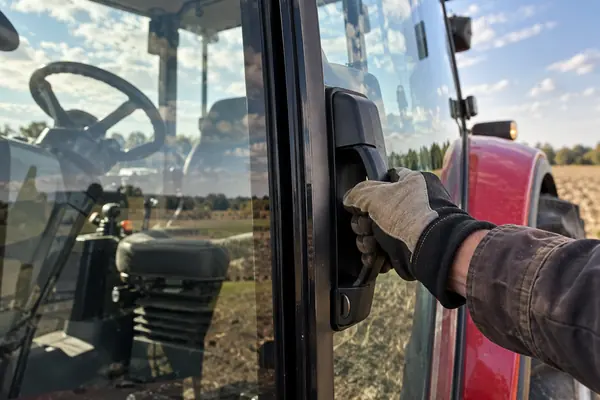
A study of farm noise found a cab cut noise at the operator's ear by 16 dB, falling to 8 dB when a door was open.
Check your cab cabnoise
WHAT THE MEASUREMENTS SAY
A tractor cab is a hearing protector you sit inside.
Check your cab
16 dBquieter with the cab shut
In one study of farm noise, a cab cut the noise reaching the driver's ears by 16 dB. Leaving the door open halved that. Hearing damage from noise is painless and permanent, so the small habits in the cab add up over a working life.
At a glance
16 dB
Noise cut at the operator's ear
Measured across a range of farm activities in a 2006 study. With a door open the reduction fell to 8 dB, and a radio added 3 to 5 dB back.
CAB EFFECT · FARM STUDY
85 dB(A)
Daily exposure for hearing protection
At 85 dB(A) employers must provide hearing protection and hearing protection zones, and hearing checks for people regularly exposed above it. At 80 dB(A) they must assess the risk and give information and training.
UPPER ACTION VALUE · HSE
TWO NUMBERS WORTH KNOWING
One figure from the field,
one from the Noise Regulations.
The Control of Noise at Work Regulations 2005 also set an exposure limit of 87 dB(A), taking account of hearing protection, and peak values of 135, 137 and 140 dB for sudden noises.
A QUICK CAB CHECK
Pick a situation to see what one study of farm noise measured. The bar shows how much more noise reaches the driver.
Figures from Franklin and colleagues (2006), Journal of Agricultural Safety and Health, and Penn State Extension. This is general information, not medical advice.
THE SHORT ANSWER
Hearing loss from noise builds slowly.
A few cab habits change how much reaches your ears.
THE DOOR
A study of farm noise found a cab cut noise at the operator's ear by 16 dB, falling to 8 dB when a door was open.
Check your cabTHE LIMITS
HSE sets action values at 80 and 85 dB daily exposure and a limit of 87 dB that must not be exceeded at work.
See the numbersOUTSIDE THE CAB
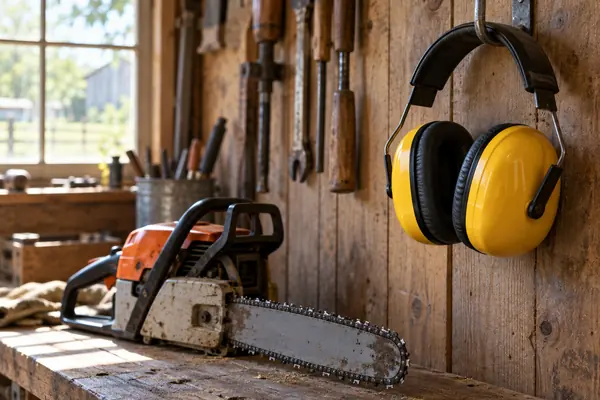
Chainsaws, grain dryers and livestock sheds add up. HSE says exposure from many different sources has a cumulative effect.
Four habits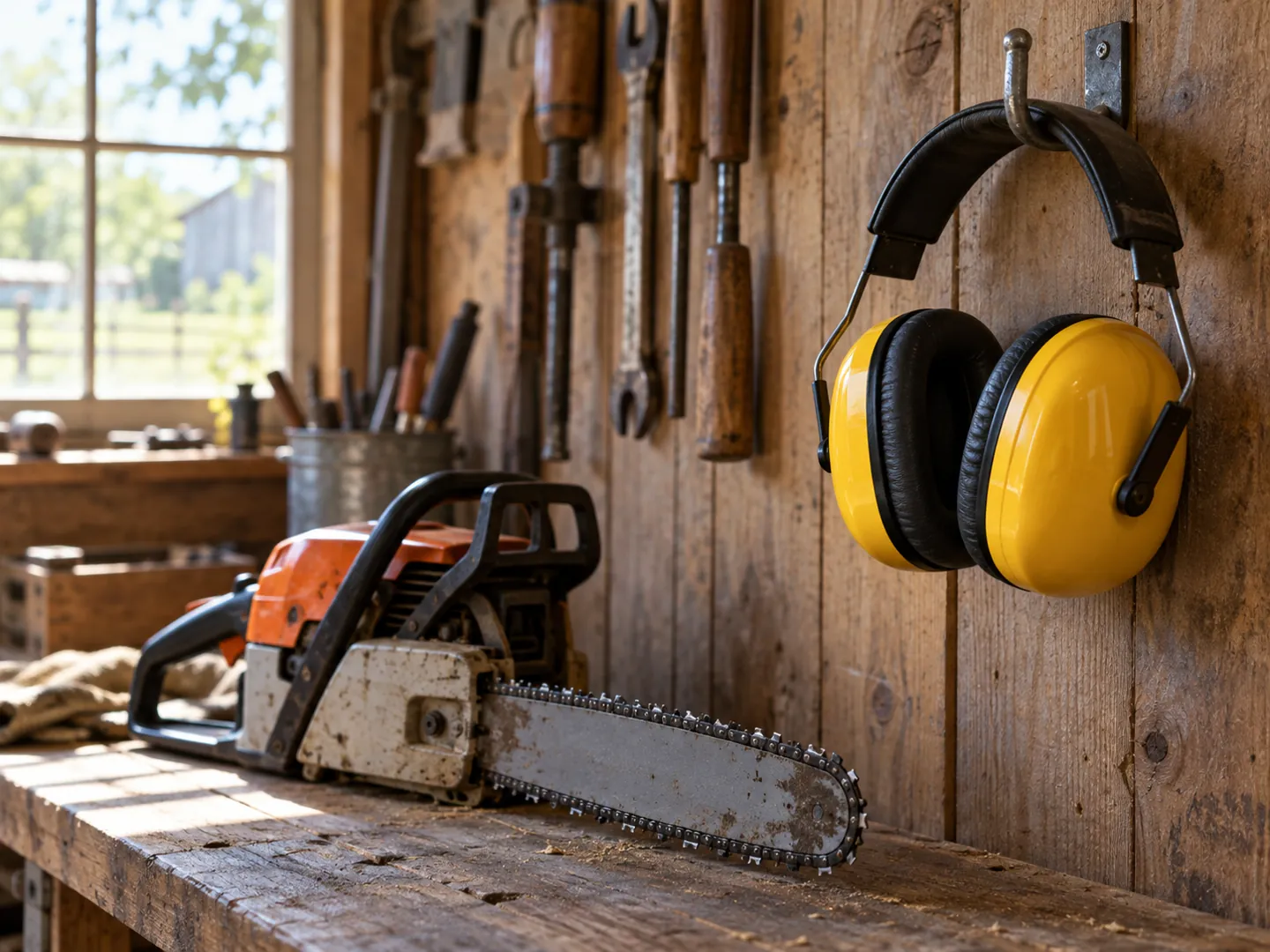
FOUR HABITS TO TRY
Most of these cost nothing. They are about using the cab as the barrier it is and covering the noisy jobs outside it.
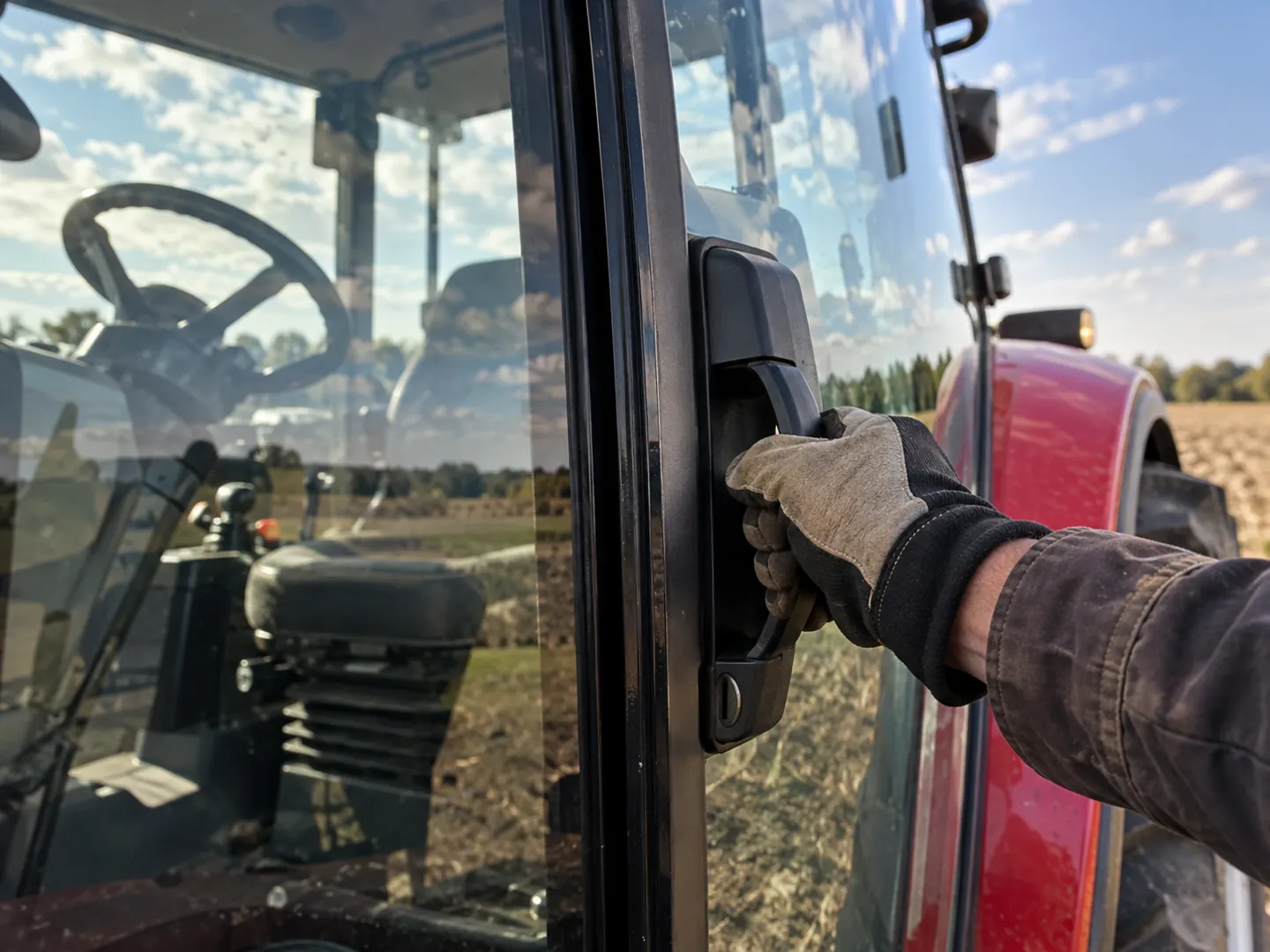
Working with the door open halved the cab's protection in the farm study, from 16 dB to 8 dB.
A radio added 3 to 5 dB inside the cab. If you need it louder to hear it, the cab is already noisy.
HSE says protection only works if worn all the time in noisy places; even short gaps severely limit it.
HSE lists muffled hearing at the end of the day, even if better next morning, as a sign something should be done.
WHY IT MATTERS
HSE says high noise can cause permanent hearing damage, often without the person noticing until it is too late, and may lead to tinnitus. Noise also makes warnings harder to hear.
A University of Sydney farm health factsheet says noise injury affects the hearing of up to two-thirds of the farming community, and that the damaged hair cells in the inner ear are not replaced. Its message is that the loss is preventable.
Questions
In a 2006 study of farm noise, a cab reduced the noise reaching the operator by 16 dB. With a door open, that fell to 8 dB.
The same study found a radio added between 3 and 5 dB to the noise in the cab. A University of Sydney factsheet notes that every 3 dB increase doubles the noise intensity.
Under the Control of Noise at Work Regulations 2005, HSE sets a lower action value of 80 dB(A) daily exposure, an upper action value of 85 dB(A) and a limit of 87 dB(A) that must not be exceeded.
HSE says something should be done if you have to raise your voice to talk to someone about 2 m away for at least part of the day, or if your hearing feels muffled at the end of the day.
Yes. HSE's agriculture guidance says employees and the self-employed also have legal duties to protect themselves against noise.
Sources
ABOUT THIS NAME
cabnoise.com is part of the DoodleSale portfolio. It isn't in an auction right now, but you can ask about leasing it.